


Welcome to Capnis Infotech
Post-development Support
Post-development support encompasses the ongoing assistance and maintenance provided after the completion of a software development project....
Timely Delivery
Timely delivery refers to the prompt completion and delivery of goods, services, or projects within the specified timeframe or deadline. It...
Extensive Experience
Extensive experience refers to a substantial history of involvement and proficiency in a particular field or industry. It signifies a deep u...
Client-Centric Approach
A client-centric approach is a business strategy that prioritizes the needs, preferences, and satisfaction of clients above all else. It rev...
Economic Solutions
Economic solutions refer to cost-effective strategies or options designed to optimize value while minimizing expenses. In the context of bus...
High Customer Retentions
High customer retention refers to the ability of a business to maintain a large percentage of its existing customers over time. It indicates...
Our
design thinking process
Discover
Objective: Understand the client's needs, project goals, and requirements.
Activities:
Conduct client interviews and meetings.
Analyze existing systems or data.
Define project scope and objectives.
Identify potential challenges and risks.
Design
Objective: Create a blueprint for the project, including the user interface and user experience.
Activities:
Develop wireframes or prototypes.
Define the overall architecture and structure.
Create design mockups.
Gather feedback from stakeholders.
Develoment
Objective: Implement the design and turn it into a functional product. Activities: Write code and build features. Perform regular testing (unit testing, integration testing). Collaborate with team members. Iterative development based on feedback.
Maintenance and Support
Objective: Ensure the ongoing success and performance of the delivered product.Offer post-launch support to address any technical issues or user inquiries. Monitor the product's performance and stability, implementing updates or patches as needed.
Growing sales through exceptional services

Our Clients


Client Reviews
Based on 158 reviews
"I have Known Capnis for 4 years and have been impressed with the diversity and quality of Capnis's work. With that solid foundation it was really easy to select Capnis as our development partner. Capnis has both the experience and collaborative approach to take ideas and create incredible applications. We literally went from idea/mock-ups to taking revenue in 3 months. I would highly recommend Capnis to anyone building an application for start-ups or established businesses."

"We have worked with Capnis over a sustained period of time. The team at Capnis is arguably one of the most professional, friendly, considerate and dedicated team. I do strongly recommend the services of Capnis."

"Capnis has great team of designers and developers and have been thoroughly helpful throughout the entire process. I am more than pleased with the service that they have produced, and I will continue to get service from them in the future. Would highly recommend to anyone!"

"We have worked with this company for a while and feel that there is good momentum and strong customer care within the company's management. We always been pleased with your performance and will continue our cooperation in the future as well. We heartily recommend this company to others who want to start a collaboration with Capnis."

"Working with Capnis is one of the best investments we have made in our business. The team researched our industry and built a custom website. We recommend Capnis to anyone looking for cutting-edge talent, dedication and passion for web development."

"I would highly recommend Capnis the team was responsive, reliable, and flexible to meet our needs. The project went by smoothly and according to plan, exceeding expectations. They were a pleasure to work with from beginning to end, making themselves available for questions and follow ups."

"I was having great difficulty in finding a suitable organization for my project, an idea that I know would make a significant impact. We were having a difficult time with our current development company when we, fortunately, found Capnis . They communicated very well and delivered the project within budget. I really appreciate their effort and thank them for everything."
"It’s pleasure doing business with Capnis. Great team, great project management, and execution skills. I’m very happy with the final outcome of the project. We’ll definitely continue to work with you in future."
"The new application was to be used across our offices by senior management at different locations, Capnis did an excellent work. They clearly understood the requirements and delivered good quality Project. They pleased us with their high level of creativity and dedication. We’ll definitely continue to work with you in future."

"The team at Capnis is simply the best. What makes Capnis so great is their attention to detail, availability and most importantly, their knowledge and expertise to deliver project according to requirements. One cannot go wrong by partnering with Capnis. Thanks to everyone at Capnis for making our projects exceed customer expectations."

"The team at Capnis is simply the best. What makes Capnis so great is their attention to detail, availability and most importantly, their knowledge and expertise to deliver project according to requirements. One cannot go wrong by partnering with Capnis. Thanks to everyone at Capnis for making our projects exceed customer expectations."

"The first time I availed the services of Capnis, I was a little sceptical about the whole outsourcing process and didn’t trust anyone; but Capnis team quickly put those fears to rest. The team I was interacting with was great and thoroughly explained the process to me and delivered as promised. I definitely recommend them in comparison to their competitions."

"I have not been disappointed with the decision to partner with Capnis. They are responsive to my needs and deliver on time and on budget. They never lose patience with the reviews I provide and my requests for adjustments. They continue to support my site and it really makes it easy for me to run my business and without having to worry about my website."

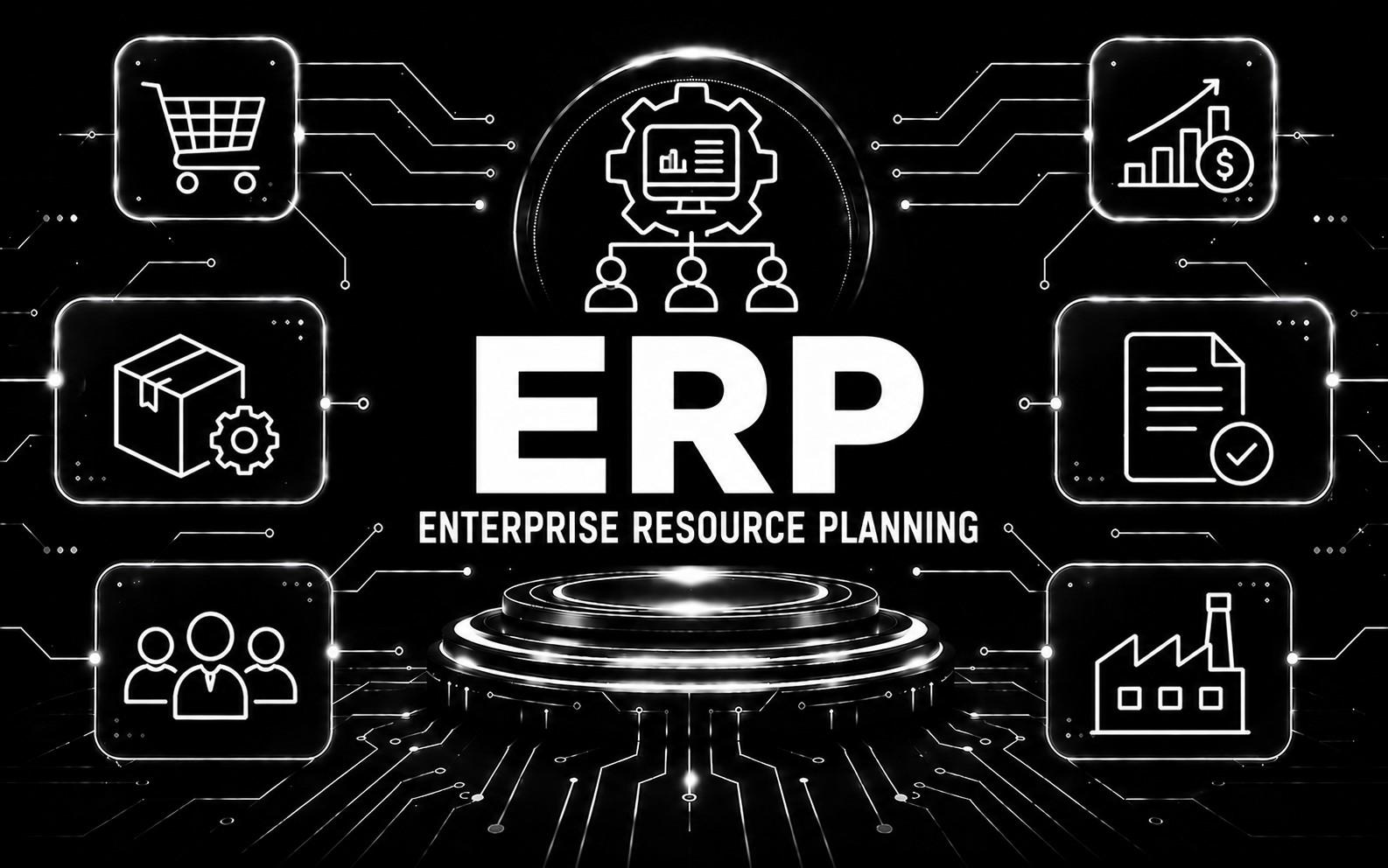
"We have been working with Capnis for two years to develop a ERP application that supports the company’s daily activities. The Capnis team is highly responsive and professional in providing us deliverables on a periodical basis."

"This was our first time working with Capnis but we will be back. They were great with what they do. Very detailed and professional which makes them different."
"Having worked with various website development partners over the years, Capnis has not left us disappointed. They consistently deliver and manage our projects well. When they join our team on projects, the true partnership shows, and all feel vested in the project’s success."

"The Capnis team was a real pleasure to deal with. They were responsive, creative, and flexible. Highly recommend Capnis to anyone looking to develop website!"
"I had a great experience with the whole Capnis team. They were very knowledgeable and professional, and most of all, very patient with all our requests. Everything that I asked for was delivered by the Capnis team. I’m very pleased and recommend Capnis based on my own experience."

"Capnis is a top-notch company through which I have built two websites for two different businesses. From the proposal to the final product, their attention to detail and turnaround time is excellent. Their staff is always professional, responsive, and detail oriented. Highly recommend!"
"Great support in building a web application. I needed a very specific type of application put together fairly quickly and they did a superb job. Very professional, engaging, responsive. I highly recommend Capnis."

"We just wanted to take this opportunity to thank you all at Capnis for your hard work and determination in getting outstanding results with our website. Taking us from the 50th page on Google to the 2nd is no small achievement."

"I hired Capnis to do my website, SEO Optimizers did an amazing job at boosting my search rankings on Google. My web traffic is up and they are bringing in real customers into my store."
"I was amazed by the results offered by SEO Optimizers. I received more traffic and better search engine results with their consulting services. Very smart at search engine optimization."

"Since working with Capnis, we have experienced an increase of followers and more brand awareness on the market. The team leads a strong workflow, focuses on our needs at all times, and works flexibly to avoid any delays. Overall, you can expect a very professional and dedicated partner with Capnis."

"Since partnering with Capnis, we’ve seen an increase in engagement and impression from users, as well as an improvement in our sales. We’ve also experienced a 60% increase in new potential customers and opened accounts compared to last year, which is a very successful metric for us."

"The posts they’ve created look like they were created by my company, from the colour scheme to the font. Metrics including leads, conversions, and social media engagement have all increased since Capnis came on-board."
"I have been a client of Capnis for two years now and can safely say that their services have been great, any issue is resolved promptly and effectively. I would recommend Capnis Local SEO to anyone who wants to enhance their online presence."
"I have been working with Capnis team at Local SEO for the past one year and have been extremely happy with the service they provide. Not only did they accomplish what they promised to do, but they have gone above and beyond the scope of expectation to provide quality customer care and service. I highly recommend Local SEO Search to anyone looking to grow their business."

"Local SEO helped us achieve #1 ranking on Google in a very short time frame. Capnis team has been extremely helpful in improving our site and advising us in the right direction every step of the way."

"I have been using their bulk email marketing services from last few months and found them one of the most reliable companies in bulk emailing solutions. The support was excellent and every time i had some queries, they were resolved quickly. No other company I know of goes to such great lengths to provide their customers with this level of service."

"My experience with Capnis has been one of the most enjoyable purchases I've made in recent times after testing different email marketing. I am completely satisfied with everything."

"Works on a bulk list of emails to validate them and ensures list are all valid. I can categorically tell that it's easy to handle. No complexity of such when verifying emails. You can rely upon it that your list is including all valid emails. Good for email campaigns."
"To work with Capnis team have been a pleasure and have consistently produced excellent results. Their customer service has also been nothing short of outstanding."

"Capnis has helped transformed our online marketing on a number of levels. They were knowledgeable, responsive, & fair. Highly recommended, looking forward to a long standing partnership!"

"Capnis is great, they helped me with my Google Shopping campaign a lot. They pointed out what I was doing wrong and tweaks that can improve it. So thankyou very much to team Capnis."
"Capnis believes in client success, and they have an array of tools and expertise to make that happen, from digital marketing to SEO, to website design. Best of all, they have a dedicated and responsive team that is open to ideas! Truly grateful for all the efforts they've put into making our company a success today!"

"Awesome experience working with the team at Capnis! They are always very responsive and continuously gives us suggestions to improve our online presence. We do not have to worry. Definitely will recommend them!"

"The reason for us to approach Capnis was to create an identity for our company and Capnis has brilliantly done the job of creating our thoughts, feelings, and aspirations in an identity that will be left with us forever as a mark. We have and will always cherish our association with you."

"We are happy that we have chosen Capnis for our ecommerce website development and they have come out with the best theme and design for our website along with a fully functional, responsive and customizable site."

"Capnis have great knowledge about ecommerce and are best at understanding the requirements of clients. They have made a website for our online business which is outstanding in terms of user interface, interaction and payment gateways."
"Talented, Responsive., Understanding. The first impression that I got about Capnis, which only got converted into a permanent impression as my Ecommerce project progressed."

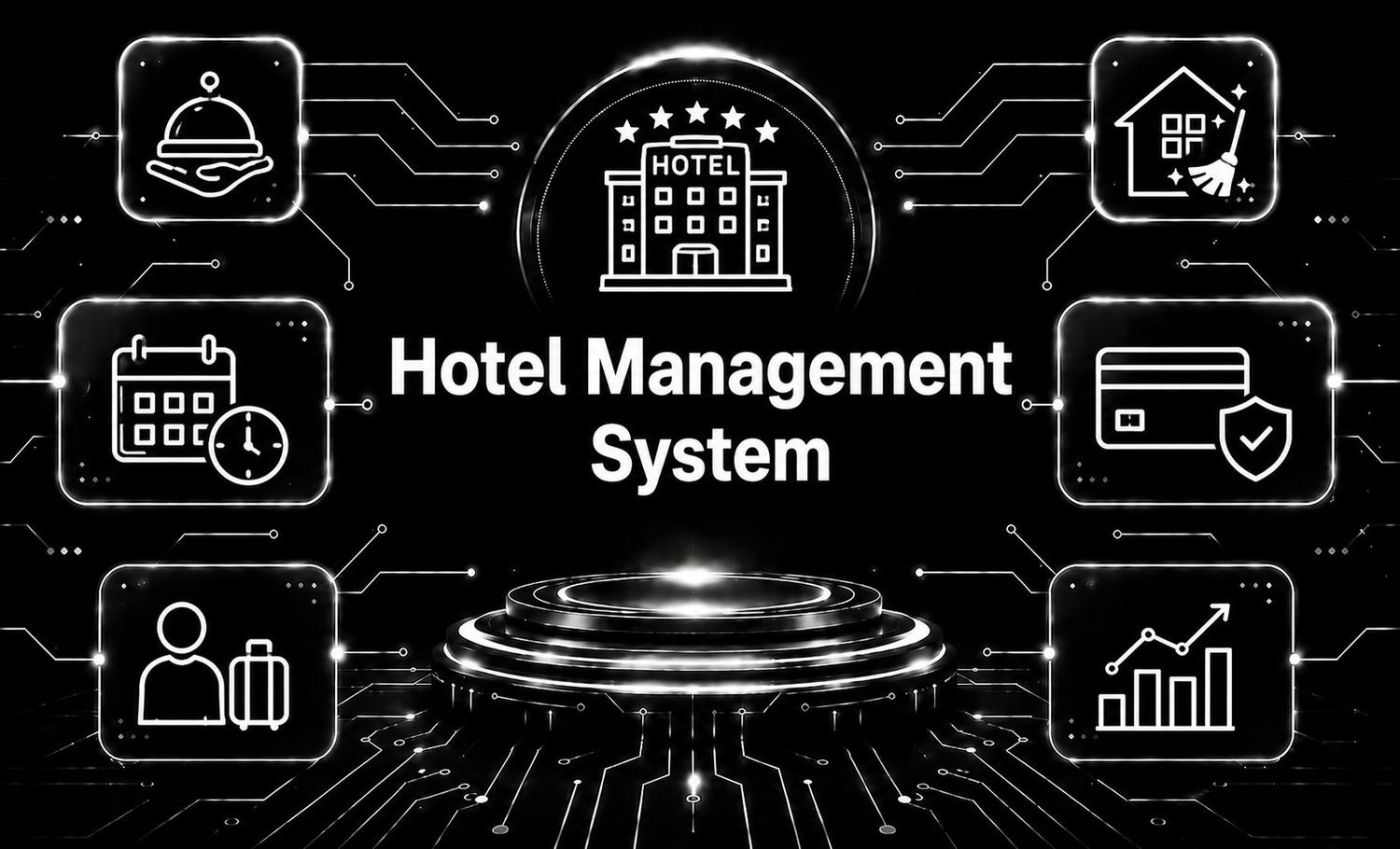
"Capnis has been extremely helpful in providing us the best, cost-effective Hotel booking website development. We hired them owing to their reputation in the industry. These guys lived up to their name."

"I was looking for Hotel Booking Website Development service for my business. After surveying many companies, the search ended with Capnis. I was really impressed with the way they catered to my requirements. They provided me cost-effective service, and I hope to work with them in the near future."

"I am completely blown away. I thought I wanted a website, but Capnis saw that I needed to automate my business and developed a complete business solution for me! I no longer have to work 16 hour days, as the website now does most of the work! Thank you Capnis."

"Capnis team were asked to create a website on tight schedule. The work was completed on time and with good quality. I recommend this company and will use them again for future projects."

"Capnis does a great job. Their team of developers and project managers continue to deliver in a dependable and timely manner. They have helped my company offer quality products and services at a competitive price."

"Capnis did a fantastic job building our e-commerce website. They know how to operate within a deadline and take advantage of the latest web technologies.They exceeded all our expectations!"

"I am pleased with the services Capnis has provided me to modify the design and functionality of my online shopping website. Their development services helped my online business grow. I would really like to work with Capnis."

"Guys at Capnis were great to work with, always ready to come out of their way and work towards the best possible solution for us. Our site looks great, but it also has good functionality and offers numerous possibilities for further development. They offer truly excellent support and are always there when you need them."
"I am really impressed by the quality of services I received from Capnis. You were right on schedule, charged reasonable prices, were professional and courteous in dealings, and delivered items well on time. I have got a good e-commerce site for my products. My revenue has increased because of Capnis and I will definitely use your services again."

"I wanted to take a moment to thank you for the services your team has provided. Your team has been a pleasure to work with, professional and timely. You have made a website for our online business, job well done, and I hope we can continue to grow together."

"We are very happy with Capnis; very serious and consistent in their work. They increased our business grown and the site was convinient for our customer to use. Capnis developers have always been there for us all the time. This is a company I can recommend to anyone to perform any work."

"I just checked the Website. WELL, DONE guys - you made my day!!! Looks really good! Professional, conscientious and thoroughly competent - I wouldn't hesitate in recommending them to other agencies."
"The Website is great. We find the support very good and in general, it's easy to use. It has had a positive impact on the running of our business, and sales, supported by additional advertising, have grown!"

"I love my website and recommend it to everyone I can think of. It is exactly what I needed to help our store capture customers BEFORE they come in the door. It was easy and intuitive."

"We are a small business in a small town and allows us to have a bigger presence than we could afford otherwise. You make us more accessible to a wider range of customers. It gives our customers the option of ordering when they are ready, rather than waiting for our doors to be open."

"Not only did Capnis do a brilliant job for us, they were a delight to work with. We came to them at short notice with a quick turnaround project and they helped us shape what we needed, made creative suggestions and delivered well produced, informative videos in our time frame. We’re looking forward to working with them on future projects and couldn’t recommend them highly enough."

"I often say the best way to determine a great partner is your willingness to work with them again. We’ve done this time and time again with Capnis and I urge others to do the same!"

"We are really happy with the final video and indeed have been really impressed with the whole process by everyone at Capnis!!"

"I was very impressed with the professionalism and friendliness of everyone involved and can’t fault anyone at any stage! Everything was explained clearly and all queries were answered promptly!"

"“I love whiteboard video! Over the years, I’ve tried numerous other video builders….’ whiteboard video’ is the best. I find the tools a joy to work with (simple, flexible, reliable, and user-friendly). All my dealings with whiteboard videos have been positive, and I value the help and support available to me. I also love that I can personalize my websites with YouTube videos. Thank you, whiteboard video team; keep up the excellent work!”"

"“I just wanted to say that before I found whiteboard video, I looked everywhere for something that I liked without success, and then I found whiteboard video. I found your service fantastic, always very prompt and helpful. Thank you. More power whiteboard video and Team.”"

"“I have been pursuing years to find a way to design a video, and quite frequently, when I have had a design idea, I have been faced with limitations in the software and had to make compromises. I have had a whiteboard video to make a video for a week, and so far managed to do everything I need to do with relative ease. More power to the company!”"

"I was amazed at how Explainer Video Animation was able to get the message from my book into a 1-minute book trailer! I have heard nothing but phenomenal comments about the trailer. Creamy Animation is the way to go – absolutely!"

"Thank you to Larry for his excellent work on the Mennonite Mutual video. The message is brisk, attractive and tells our company story well. We appreciate how Larry pulled it all together quickly and professionally for us."

"Working with Explainer Video Animation was a professional and well managed experience. Every step of the project was well thought out and smooth. We have had great feedback on the video. Larry really “gets it”. He was able to quickly capture the essence of our story and creatively put it into 59 seconds of powerful video!"

"Capnis provides the highest level of dependability and responsiveness that are often desired, but simply not provided by other development partners. I highly recommend Capnis for any of your digital strategy, design, development, and web maintenance needs."

"Great team! They are super flexible, responsive, and detailed. Capnis helped us launch an entirely new website - their module system is amazing. As someone who is not an expert in managing a website, I am glad I can rely on Capnis to help me and give advice on best practices."

"We have been using Capnis exclusively for website programming and design since 2018. They offer exceptional service and always find a solution for whatever we need."

"We have been using Capnis exclusively for website programming and design since 2018. They offer exceptional service and always find a solution for whatever we need."

"Excellent Team to work. Very Responsive. Result oriented company. Very much satisfied with their work ethics and prompt response We strongly recommend Capnis for Web Design."
"Putting together a website is a task, finding the right individual or company is even more complex. I did my search around looking for this particular company that has the ability to create, design and optimized my web site. Thanks God I meet Capnis, not only they have great taste in design, but they can guide you through the process and beyond."

"Great design team and quick turn around on all projects and request. With their help we have improved our google search engine optimization results."

"A Website mirrors the company identity, that gives it a face and a Southey instantly knew what we wanted to accomplish, they were fast, responsive and relatively affordable. The final product was very functional, tasteful and aesthetically nice to look at."

"When it comes to creating professional, attractive, and effective websites, there is no company that can surpass Web Designers Express. Thanks to their talent, our site has taken off in the search engines like a rocket. In this day and age, it is impossible to get ahead as a business without the support of gurus like Web Designers Express standing behind you. In a matter of days, I had a tremendous proposal, above and beyond our expectations."

""I am really happy with your service, it is exceptional, Web Design Enterprise is just great. I would say that Web Design Enterprise people are very professional and their knowledge is incredible, they also solve problems very fast, I am impressed. I recommend Web Design Enterprise to all my customers, friends and clients"
"We want to thank you for your professionalism and help through the the chat line, it really helped that you were able to log into our computer and do the set up for us, once again, I highly recommend you for all website needs."

"Web Design Enterprise have taken our business to the next level. Their professional solutions continue to impress us and their knowledge has catapulted our sales. They have created 4 different websites for our companies; all with excellent results."

"We have been very happy with our new website! It looks professional and very easy to navigate. Our experience with the customer service at Thrive has been great. They handle things very efficiently and are available for any questions we have."

"I went to Thrive with a basic “feel” I wanted in a website. They helped flush out the visual layout and content. Thriver’s services are bargain when you weigh the cost versus the product you receive. I will be using them again in future endeavors. Thanks again!"

"This was the first time I developed a web site so I couldn’t have asked for a better or easier group to work with. The entire process from sales through development and launch was timely and extremely efficient. A fantastic experience all around!"
"“They truly understand our vision as a company.”"

"“We continue to work with the Brafton team because of the quality of output and ease of working with them.”"

"Following the first training session I delivered using the video, I was told "that’s the most engaged I have ever been". As a result of our experience with Nibble Video, I would whole heartedly recommend them."

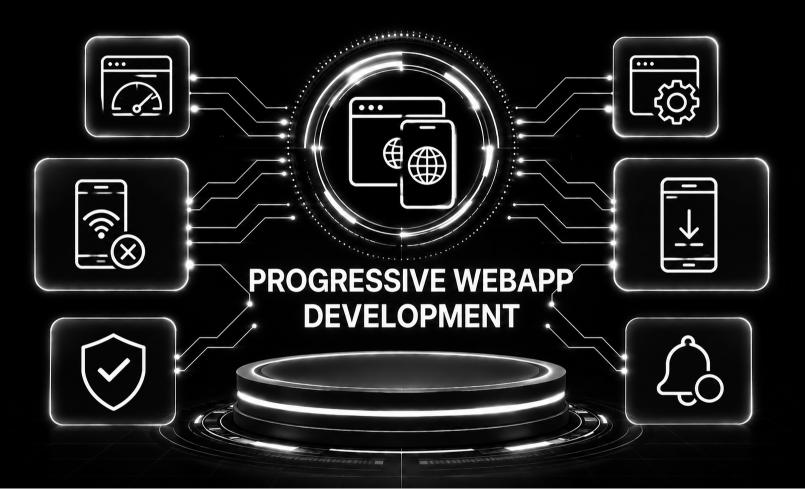
"Capnis Commitment to our PWA project, Competence in planning and skills in executing our vision is extremely impressive."

"Following the first training session I delivered using the video, I was told "that’s the most engaged I have ever been". As a result of our experience with Nibble Video, I would whole heartedly recommend them."

"Doing this project with Animation has been a dream come true for me. You have done a tremendous job and really applied your enormous talent very effectively. Producing a cartoon is something I wanted to do for years but it wouldn't have been so much fun if I had worked with anyone else."

"Capnis is Great at execution of our PWA project and fantastic thought partners. Provider of valuable insights and ideas to improve our products and services"

"Its great working with you . Your videos are one of my favorite projects."

"Niranjan runs an unbelievable professional organization with wide-ranging expertise in development, User interface, and Design. The PWA which the team provided was outstanding."

"We are very pleased with the production quality of our video. Team B2W was professional and flexible...a great combination!"

"We have done multiple videos with them and every time the work commitment is on point. Graphics, sound and content all are so much in sync. Most importantly they take feedback and work on them without making a fuss. We recommend them and also wish luck to Vox Agencies Team for their future ventures."

"Looking to achieve the impossible in software development in a tight timeline and budget? Rest assured. Capnis gets it done. We opted Capnis for a Ionic Mobile App, they've gave us the best."

"Value for Money ..on time service round the clock customer support team to cater to any queries team of highly professional manpower deployed.Highly Recommend .."

"Value for money, Capnis suggests economic option of taking our own domain names and server spaces. Changes done any number of times with our feedback on our Ionic mobile App."

"The project has felt like it is in excellent hands. The team has been thoroughly responsive, engaged and genuinely interested and motivated to make the project the absolute best it can be."
"I drew in with Capnis for my first application and was so inspired by the nature of work they delivered in my humble spending that I returned to them with my next application as well. Much obliged to you Capnis..!"

"We are very happy with Capnis team; very serious and consistent in their work. Niranjan and his team of developer have always been there for us all the time."
""I would highly recommend this. The team was most concerned with customer satisfaction, and making sure that we were happy with every step of the process.""

"Perfect choice to build application for our business. Team Capnis provided world-class development process. We are completely satisfied with their development milestone process."

"“I will certainly give a shout out to you. I appreciate the work your team is doing with us and how we are able to group our social media followers and credibility because of your work.”"

""Value for Money ..on time service round the clock customer support team to cater to any queries team of highly professional manpower deployed.Highly Recommend ..""
"We have done multiple videos with them and every time the work commitment is on point. Graphics, sound and content all are so much in sync. Most importantly they take feedback and work on them without making a fuss. We recommend them and also wish luck to your Team for their future ventures."
"I really thank Capnis, they created a cleaned designed fantasy iOS app and short time period taken to build apps with affordable cost."

" I wanted to take a moment to thank you for the iOS app, your team has provided. Your team has been a pleasure to work with, professional and timely."

" Good Service, Clearly understood my requirements and resolved my issue. I Got my iOS app at affordable cost and I recommended them to my friend for Mobile App development to build their ecommerce with Capnis Infotech. Thanks Team.!!!"

"A great team of young mobile developers always give their best Flutter App as output. I have already recommended Capnis to a couple of my friends and would continue to do so. Keep up the work guys."

"I am happy with Capnis Infotech. Mr. Niranjan is very responsive & he works closely with us. We have built our Flutter mobile application and working on Ionic mobile application. We are so happy to be associated with Capnis Infotech. Keep it up guys!!!!"

"The Capnis team that did Flutter App development work for me showed strong technical expertise. The team was cooperative throughout the project and always did the best they could."
"The Capnis team is the most dedicated and enthusiastic Testing Team I have worked with. They always thrive for perfection which make our job easier!"
""We were concerned about being off-brand, too cute. It’s a serious category and we had to get it right. We realized from call 1 that Explainify is a partner that does video with business objectives and results in mind - and has a super organized process.”"

"We have worked with Capnis on a Website Testing Project and the experience was impressive. Their team was able to grasp our application quickly and performed swift turnarounds in the stipulated time. It's a nice company to be associated with."

"I want to thank the makers for producing this amazing animation. You people were extremely patient throughout waiting for the feedback and quick in taking it on-board, turning it around. The video you made was of the highest quality with fantastic stills and incredible colors. Thanks so much for the hard work."

"Thoughtful analytics, insights on Website testing processes and the dynamics that you showed as a team helped us in getting our project done on time was completely outstanding. I have no reluctance in recommending Capnis Infotech to anyone who is especially looking for Website testing requirement."

"We chose Capnis after evaluating 3 companies and simply none of them match the cost and quality they provide. Initially we all were skeptical in transition of moving to company based testing as they were multiple items were in the checklist in terms of quality, domain and training. But, Capnis seamless transition to our gears by ticking all the checks both helping us in overall momentum and velocity. Glad to be associated with them."

"“The campaign created a community of followers who regularly engage with the brand on social media. Little Media Agency creates high-quality posts that adhere to brand guidelines. Their team is professional, communicative, and timely.""

"Capnis has been the driving force behind several of our software development projects within the last few years. This company demonstrates high professionalism in their work approach. They have continuously proved to be ready to go the extra mile. We are very happy with Capnis, and in a position to strongly recommend them for software development and support as a most reliable and fully transparent partner focused on long term business relationships."

"We are happy with the quality of delivery from Capnis, on the testing capability. The efficiency of the resources in speed of delivery & quick knowledge transfer has been outstanding. We definitely see you as efficient for IoT test requirements."
"They use their knowledge and skills to program the product, and then completed a series of quality assurance tests. We were working in an agile way with them. Capnis performed very well throughout our project. We are definitely looking at Capnis as a long-term partner."

"Their service is very prompt and efficient"

"Amazing product if you are into SaaS or Service. Feedback is what can make or break a business and En dorsal makes it easy to collect and showcase them beautifully!"

"Such a great piece of software. Doesn’t slow down my webpage, looks great, and has made a world of difference in how easy it is to capture reviews!"

""Such an awesome and easy application to use, it's helped us a lot with our growth!""

"“The guys here were great. And I am going to definitely work with you again and recommend you to anybody looking for animated video solutions.”"
"“It’s great working with you guys. Your videos are one of my favorite projects. It is always a blast working on them.“"

"t has been a pleasure working with Capnis. There was a requirement of a QA at short notice for our IoT Projects and Capnis helped us to fill the gap. The QA was extremely good at his job and was responsible for delivering a 99% bug free Build. I would recommend Capnis for any further requirements due to their sincerity and commitment to work."

"Capnis team has helped us a lot in fine-tuning our AI and processes. Overall in six months they have been able to improve our AI at its best."

"I am very grateful for the automation test services provided by Capnis. The AI test as deliverables were very professional and went beyond our expectations."

"Capnis stands out to be a leading web development company and they expertise to deliver a highly complex feature. Assigned resources were knowledgeable, reliable, and proactive. The team is keen to deliver. Everyone is friendly and accessible. Capnis has truly met all expectations for quality of deliverables, consistency and customer service."

"The team at Capnis engages in systematic problem-solving approach to come out with the best solution. Their communication skills and technical expertise set them apart. The project was delivered to a high development services standard within schedule and budget. Customer service throughout was perfect."

"Capnis's QA team worked for us for a large number of hours. The best part about their service to us was the number of hours they were able to apply in a short period of time in order to complete large amounts of work to meet our deadlines."

""I am really happy with your service, it is exceptional, Web Design Enterprise is just great. I would say that Web Design Enterprise people are very professional and their knowledge is incredible, they also solve problems very fast, I am impressed. I recommend Web Design Enterprise to all my customers, friends and clients"

"Capnis the best Social Media designing company in Chennai did a professional job, with a new responsive design with attractive and engaging features."
"It’s pleasure doing business with Capnis. Great team, great project management, and execution skills. I’m very happy with the final outcome of the project. We’ll definitely continue to work with you in future."
"We want to thank you for your professionalism and help through the the chat line, it really helped that you were able to log into our computer and do the set up for us, once again, I highly recommend you for all website needs."

"I am happy with the results we received. Highly suggest Capnis to any business in need of expert assistance with their web operations."

"Work done by Capnis has done good for us. Received new customers from new regions. I highly recommend Capnis for Ecommerce"

"Our Website is designed & developed by Capnis Infotech Pvt Ltd., Our Website is very Good in Professional Approach. We are satisfied with their response and services."

"We designed our website with them. They did good service. The Web Designer was very satisfactory for our team and delivered at the right time."

"We planned to re-design our website to a responsive website. We searched for many web design companies in Chennai and would like to give our project to DYI web design. They do custom web design to make it unique and responsive. I am extremely happy with the work they did for me."
"“You have been working great for me and my team! The quality of test cases they write, speed of execution and general app knowledge has been a great resource for our team. I want to thank you for getting the original team together for this 2nd round of testing, it has made things much easier on our end. Thank you for all the hard work! I look forward to having you guys as a reliable testing source in the weeks to come!”"

"Communications were very efficient in advance of and during UAT. Capnis team was proactive at keeping us aware of pertinent information. Overall quality of defects has been good and overall execution rates were above expectation. We have been engaged with Capnis for over 2 years now."

"We are really happy with your work. We really liked the report! We did good choosing to Capnis Team on their first assignment with us !!!"

"We really appreciate the flexibility given by Capnis. We got instant replies from them when we needed any changes in our mobile app. In fact, my team learned a lot while working with Capnis. It was an absolute pleasure working with Capnis. Thank you."

"Capnis is one of the best development teams I’ve worked with. The quality of work is excellent and their communication skills are top notch. I highly recommend this development team and will be working with them again."
"This team was nice to work with and I felt like I got a great app for the price, which was very reasonable. They always got back to me right away and did the work quickly. I slowed the process down a couple of times by taking too long to make decisions, but they were always right on time and I was surprised how quickly they finished it!"

"Overall, with Capnis, we now have a repository of all our customers and prospects. We can access data on every single person who has ever done business with us and generate reports on our overall business performance."
"We are now able to keep track of all our deals. We don’t lose track of them, or lose many deals because we haven’t paid attention to it."

"The CRM which we initially had didn’t really use it. The instance was incredibly complicated because it allows for so much customization that you end up doing nothing. When we explored Capnis CRM, the first thing I remember saying is, okay, the interface is clean and simple."

"Capnis CRM’s has been a powerful, customizable and reliable solution. The products functionality, flexibility and support has enabled us to automate our business processes, become more efficient with managing customer relationships and improve both performance and quality control. Customer support has been excellent."

"We did trials of several CRM solutions and found Capnis to be not only full featured, but the most intuitive and easy to use of the group. The Capnis has dramatically improved our entire Marketing, Sales and Customer Support."

"Capnis gave us a one-stop solution to organize our Customer Accounts and Leads. The Customer Support Team has been great and guided us in tailoring the Capnis around our business model."

"We have realized tremendous value from Capnis's CRM Pro. Its comprehensive and so flexible that it has enabled us to make modifications to the software to meet our unique and changing business requirements. We are very happy with the product and the support staff has been excellent."
"Capnis has been a great partner for us and has done amazing work to support our business requirements."

"Capnis Infotech is a rare example of reliability, value and performance. When I think of Capnis I think of integrity. The company offers a robust solution backed by a staff of experienced people."

"I was pleased to find Capnis ERP as an ERP solution that offers excellent value, as well as the specific functionality that our business requires. Capnis and our team did a fantastic job of working together to complete this project ."

"Capnis ERP provides a unique combination of power and ease of use. It offers robust functionality and can be easily tailored to meet unique business requirements. Customer support has been excellent. We highly recommend the product and the company."

"Capnis is a big part of our company’s success. It is a high quality system and the customer service we receive is just as amazing. I always get a solution to my request or problem the same day."